Author: Nina Buntić | Editor: Anja Leist
If you feel like your brain has been living in a cloud since having COVID, you are not alone. Around 40% of affected people in Luxembourg reported at least one persistent symptom one year after infection, and 23% five or more symptoms1. Studies in other countries report similar numbers. Among the longer-lasting symptoms after COVID, brain fog is one of the most common and disabling complaints.
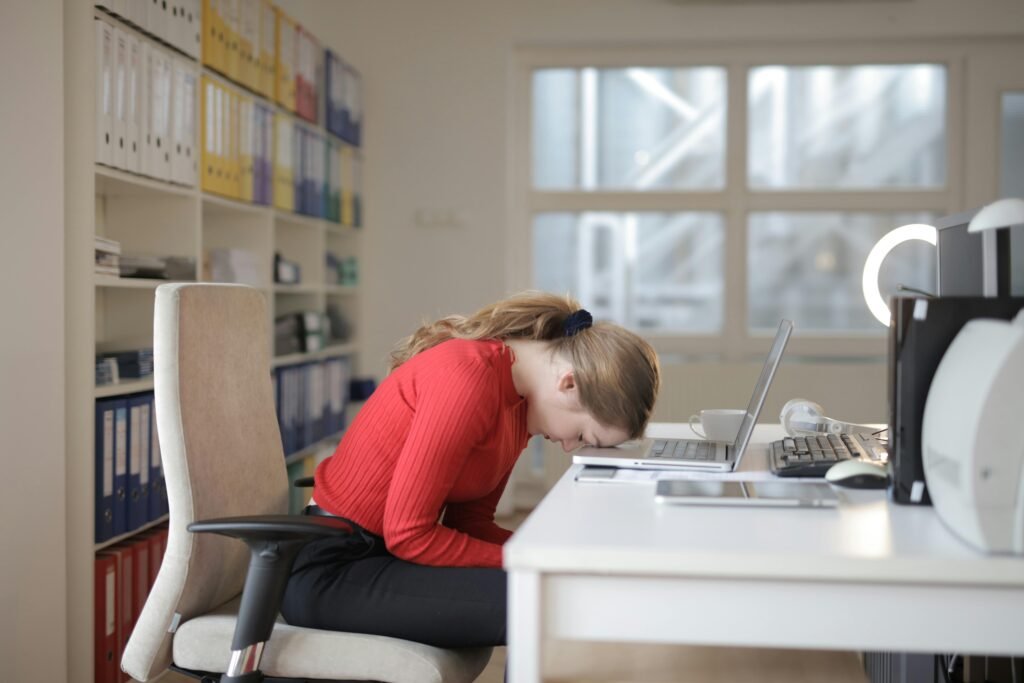
People describe it as slowed thinking, forgetfulness, trouble concentrating, and mental exhaustion that makes everyday tasks feel overwhelming. For a long time, these symptoms were hard to explain. Research is now beginning to catch up.
A real change in the brain2
One major frustration for many people with brain fog is that routine medical tests often look normal. This has led some to believe that their symptoms are not taken seriously. New brain research suggests otherwise. Advanced brain imaging studies show that parts of the brain involved in memory and thinking may behave differently after COVID. These changes appear to be linked to inflammation and seem to match how severe the brain fog is perceived. This means brain fog is not “just in your head.” It reflects real changes in how the brain is functioning.2,3,4
At the same time, these findings are still early. Larger studies are needed before they can guide diagnosis or treatment.
Brain fog rarely comes alone
Brain fog often appears alongside other Post-COVID symptoms, especially fatigue. Many people also notice sleep problems, headaches, dizziness, or increased sensitivity to stress.5
A key feature for some is post-exertional malaise, a sudden worsening of symptoms after physical or mental effort, which can make even daily activities a struggle or impossible. This means that pushing through fatigue until exhaustion can make brain fog worse rather than better. Careful pacing becomes essential.
Pacing: Spending limited energy wisely by planning your day ahead and taking breaks in between different (bouts of) activities. Limited energy often means that you will not be able to carry out all activities that would theoretically need to be done. Pacing helps you to focus on the activities that are most important to you that day.
In some cases, brain fog is partly linked to the nervous system struggling to regulate heart rate and blood pressure when standing. This can cause dizziness and mental cloudiness. Identifying this is important because it requires specific management strategies. Speak with your doctor if these symptoms are present.
What about treatments?
There is no single cure yet, but several approaches are being tested. These include cognitive rehabilitation programs, strategies to manage energy and prevent crashes, and carefully selected medications or supplements. Large research efforts such as the RECOVER Initiative are actively studying potential treatments and better diagnostic tools.6,7
What can help right now
Specialists commonly recommend managing the symptoms through careful planning of your day:
- Pace your daily activity instead of “pushing through” until exhaustion,
- Protect your sleep and mental recovery time,
- Break routine and special tasks into smaller manageable steps, and
- Seek specialized Post-COVID care where available.
Looking ahead
Brain fog after COVID can feel frightening and deeply frustrating, especially when test results look normal. Current research suggests it reflects a brain under strain, not a brain that is permanently damaged. With rapidly growing research and increasing recognition, understanding is improving fast. The fog is real, and for many people, it does lift over time.
This post is not intended as medical advice, but should help you to ask the right questions to your healthcare provider. If you or someone you know is affected by Long Covid, you can learn more about the Long COVID Companion App, co‑developed by the Luxembourg Institute of Health to help track symptoms and support daily management. For reliable local information, the CHNP’s e‑care platform offers clear guidance on symptoms, diagnosis, treatment options, and patient support in Luxembourg.
For better readability of the text, the assistance of Microsoft Copilot, an AI language model based on the GPT-4 architecture, secured with UL enterprise data protection, has been used.
- Pinna Pintor, M., Teixeira-Santos, A. C., Suhrcke, M., Fischer, A., Fagherazzi, G., Wilmes, P., Ollert, M., Leist, A., the Predi-COVID Consortium and the CoVaLux Programme Consortium (2026). Socio-economic risk factors for long COVID: the Predi-COVID Cohort of Luxembourg. Preprint at
- Douaud, G., Lee, S., Alfaro-Almagro, F., Arthofer, C., Wang, C., McCarthy, P., Lange, F., Andersson, J. L., Griffanti, L., & Duff, E. (2022). SARS-CoV-2 is associated with changes in brain structure in UK Biobank. Nature, 604(7907), 697–707.
- Fujimoto, Y., Abe, H., Eiro, T., Tsugawa, S., Tanaka, M., Hatano, M., Nakajima, W., Ichijo, S., Arisawa, T., Takada, Y., Kimura, K., Sano, A., Hirahata, K., Sasaki, N., Kimura, Y., & Takahashi, T. (2025). Systemic increase of AMPA receptors associated with cognitive impairment of long COVID. Brain Communications, 7(5), fcaf337. https://doi.org/10.1093/braincomms/fcaf337
- Khuspe, P. R. (2025). Post-Covid cognitive fog: A growing neuropsychological concern. IP Indian Journal of Neurosciences, 11(2), 111–113. https://doi.org/10.18231/j.ijn.2025.024
- Ford, N. D., Slaughter, D., Edwards, D., Dalton, A., Perrine, C., Vahratian, A., & Saydah, S. (2023). Long COVID and Significant Activity Limitation Among Adults, by Age—United States, June 1-13, 2022, to June 7-19, 2023. MMWR. Morbidity and Mortality Weekly Report, 72(32), 866–870. https://doi.org/10.15585/mmwr.mm7232a3
- Home | RECOVER COVID Initiative. (2026, Februar 4). https://recovercovid.org/
- Uswatte, G., Taub, E., Ball, K., Mitchell, B. S., Blake, J. A., McKay, S., Biney, F., Iosipchuk, O., Hempfling, P., Harris, E., Dickerson, A., Lokken, K., Knight, A. J., Mark, V. W., Agnihotri, S., & Cutter, G. (2025). Long COVID brain fog treatment: An early-phase randomized controlled trial of constraint-induced cognitive therapy signals go. Rehabilitation Psychology. https://doi.org/10.1037/rep0000626